



A furnace can be running normally while still failing to deliver enough warm air through the home’s vents. Weak airflow can make rooms feel colder, increase heating system run time, and place additional strain on HVAC components. Understanding the most common causes can help homeowners identify simple problems early and know when professional service may be necessary.
A Dirty or Clogged Furnace Filter
One of the most common reasons for weak airflow is a dirty furnace filter. As dust and airborne particles accumulate, the filter can restrict the amount of air reaching the blower. The U.S. Department of Energy notes that clogged filters can significantly reduce airflow while increasing furnace run time, motor wear, and energy consumption.
Homeowners should check their filter regularly and replace or clean it according to the filter and furnace manufacturer’s recommendations. A filter that is visibly dirty may be restricting airflow even if the furnace itself appears to be operating normally.
Blocked or Closed Air Vents
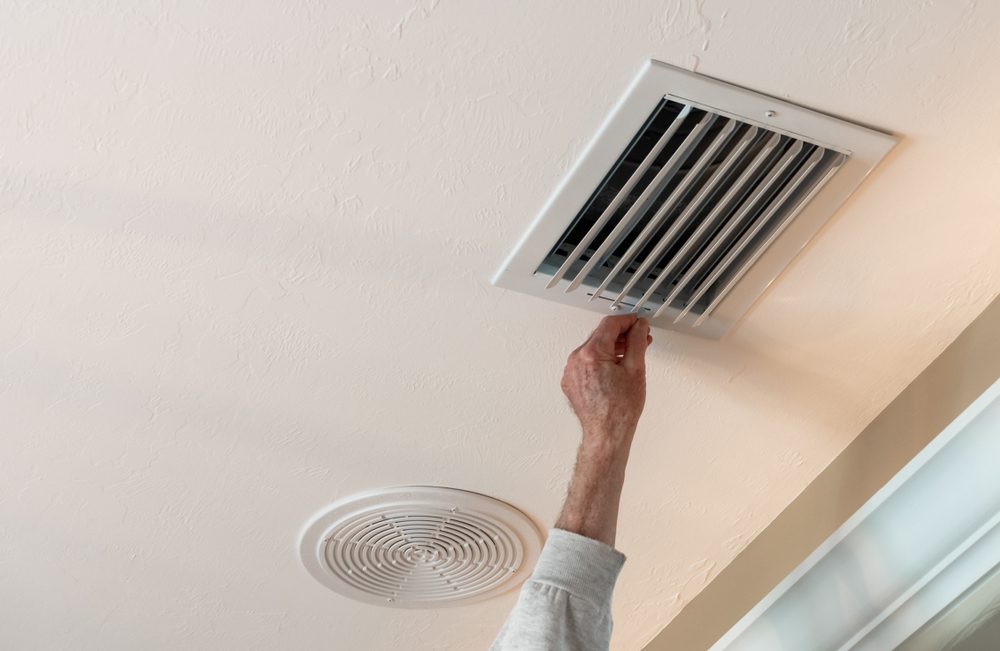
Furniture, curtains, rugs, or other household items can accidentally block supply registers. Closed or partially closed vents can also interfere with the intended distribution of heated air throughout the home.
Registers should remain unobstructed so that heated air can move freely into living spaces. Properly sized and positioned grilles and registers also contribute to effective airflow and comfort.
Restricted Return Airflow
A furnace needs both supply and return airflow to operate properly. Return ducts bring room air back to the furnace so it can be heated and circulated again. If a return grille is blocked or the return duct is restricted, the furnace may struggle to move sufficient air through the system.
Return-air problems can be particularly noticeable when some rooms receive much less airflow than others. Dedicated or appropriately designed return pathways help maintain balanced air pressure between rooms.
Dirty Blower Components
The blower fan is responsible for moving air through the furnace and ductwork. Dust and debris accumulating around the blower can interfere with its ability to move air effectively.
A professional HVAC inspection can determine whether the blower needs cleaning or whether there are mechanical problems affecting its operation. Department of Energy guidance identifies blower cleaning and motor maintenance among measures that can address low-airflow conditions.
Damaged, Disconnected, or Restricted Ductwork
Ductwork plays a major role in distributing heated air. A disconnected duct, obstruction, crushed flexible duct, or significant leakage can reduce the amount of air reaching a room.
Duct restrictions can also increase pressure within the HVAC system. Research from the Department of Energy explains that excessive system pressure can reduce airflow in some blower configurations.
In homes with accessible attic or crawlspace ductwork, a technician may inspect the system for visible damage, disconnected sections, severe bends, or other restrictions.
An Overly Restrictive Filter
Replacing a standard filter with a higher-efficiency model can sometimes create an additional airflow challenge if the HVAC system and filter housing are not appropriately matched. Higher-efficiency filters can impose greater resistance to airflow, particularly when they become dirty.
This does not mean homeowners should avoid appropriate filtration. Instead, the filter should be selected according to the furnace manufacturer’s requirements and the home’s HVAC design.
Blower Motor Problems
A weakening or malfunctioning blower motor can also produce poor airflow. Electrical problems, worn components, incorrect settings, or motor failure may prevent the blower from operating at the required performance level.
Because blower motors involve electrical components and are essential to furnace operation, diagnosis and repair should generally be handled by a qualified HVAC professional rather than through extensive homeowner troubleshooting.
Improper Duct or Register Sizing
Airflow problems can sometimes originate from the design or sizing of the distribution system rather than a sudden furnace failure. Ducts and registers need to be appropriately sized for the system and the spaces they serve.
The Department of Energy’s Building Science Education resources explain that properly sized supply and return grilles support better airflow, while incorrectly sized terminals can contribute to stagnant air, drafts, and comfort problems.
Why Weak Airflow Should Not Be Ignored
Weak airflow is more than a comfort issue. An HVAC system depends on appropriate airflow to operate within its intended performance range. Department of Energy guidance emphasizes that furnaces and air conditioners are designed to operate within specific airflow ranges and that airflow should be checked when performance problems occur.
If airflow has gradually declined, the problem may be relatively simple, such as a dirty filter. If it has suddenly become weak, however, a blocked duct, blower problem, or another mechanical issue may require attention.
When to Consider Professional Furnace Service
Homeowners can safely check whether vents are blocked and inspect an accessible filter, but more complicated issues should be evaluated by a trained HVAC technician. This is especially important when weak airflow occurs alongside unusual noises, repeated shutdowns, burning smells, electrical problems, or noticeable changes in furnace performance.
For homeowners searching for furnace repair Orange County, a professional inspection can help identify whether the problem originates with the filter, blower, ductwork, return-air system, or another furnace component.
Improving Furnace Airflow Over the Long Term
Regular filter maintenance, unobstructed registers, appropriate HVAC maintenance, and periodic duct inspections can help support consistent airflow. Preventive maintenance can also identify developing mechanical problems before they become larger repairs.
Because every home’s ductwork and furnace configuration is different, airflow should be evaluated according to the equipment manufacturer’s specifications rather than relying on a single universal airflow measurement. Proper diagnosis can help restore comfort while keeping the furnace operating within its intended range.
Final Thoughts
Weak furnace airflow can have several causes, ranging from a clogged filter or blocked register to restricted ductwork, blower problems, or return-air limitations. Identifying the source is important because simply increasing the furnace’s operating time may not solve an underlying airflow restriction.
For Orange County homeowners, paying attention to changes in airflow and arranging professional service when necessary can help maintain reliable heating performance and comfortable indoor temperatures throughout the heating season.
