




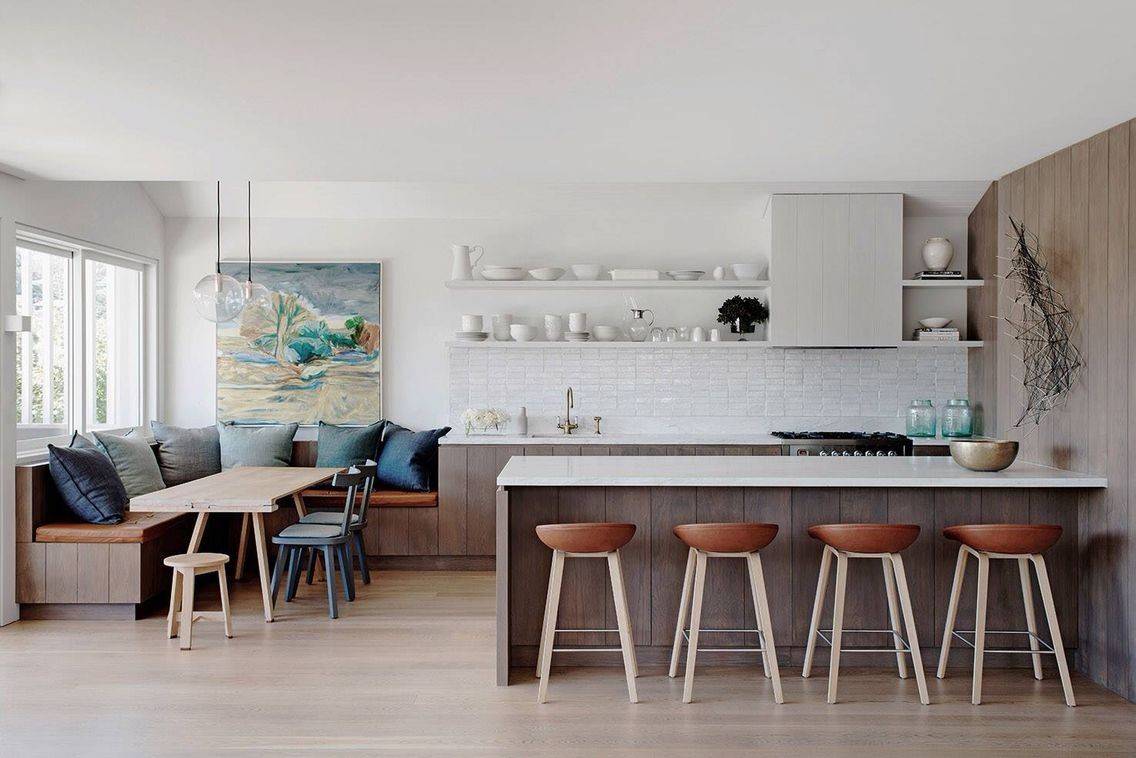
Decorating a home can transform the atmosphere of a property, but achieving a clean, professional result requires more than simply choosing attractive colours and picking up a paintbrush. Careful planning, suitable materials, good preparation, and clear communication can make the entire process considerably easier.
For homeowners planning a refurbishment, working with experienced Painters and decorators in London can help turn a decorating plan into a well-organised project. From preparing surfaces to protecting furniture and completing the finishing touches, every stage contributes to the final appearance.
Start With a Clear Decorating Plan
Before work begins, decide exactly which rooms will be decorated and what you want to achieve in each space. Consider the colours, paint finishes, wallpaper, woodwork, ceilings, doors, and other decorative details.
A simple written plan can prevent confusion. For example, record which colour belongs on each wall and specify whether the finish should be matt, satin, eggshell, or gloss.
Planning also helps establish the order in which rooms should be completed. If several areas are being decorated, completing one section at a time can make the project easier to manage.
Choose Colours and Finishes Carefully
Colour can look very different depending on natural light, artificial lighting, room size, and surrounding furnishings. A shade that looks attractive in a showroom may appear different when applied to a large wall.
Using sample areas before committing to a complete room can therefore be useful. Consider how the colour looks during both daylight and evening conditions.
The paint finish is also important. Different surfaces and rooms may require different finishes, while kitchens and bathrooms may benefit from products designed for more demanding conditions.
Prepare the Property Before Work Begins
One of the most important steps in a decorating project happens before any paint is applied. Furniture, ornaments, curtains, mirrors, and wall decorations should be removed or safely positioned away from the working area.
Where possible, completely clearing the room gives decorators more space to work. If furniture cannot be removed, moving it towards the centre and protecting it with suitable coverings can help reduce the risk of accidental splashes.
Floors should also be properly protected using appropriate dust sheets or coverings.
Do Not Underestimate Surface Preparation
Good decorating starts with a suitable surface. Walls may contain small holes, cracks, old fixings, dust, grease, flaking paint, or uneven areas that can become more noticeable after fresh paint is applied.
Professional preparation can involve cleaning, filling imperfections, sanding rough areas, removing defective paint, and priming where necessary. These steps help create a smoother surface and can improve the final appearance of the paintwork.
Rushing this stage is one of the easiest ways to compromise an otherwise well-planned decorating project.
Protect Furniture, Floors, and Fixtures
Even experienced decorators need adequate protection around the working area. Cover floors and remaining furniture carefully, and consider protecting handles, switches, sockets, frames, and other fixtures.
Masking can also help produce cleaner edges around areas that should remain free from paint. Good preparation reduces both the possibility of damage and the amount of cleaning required afterwards.
Discuss the Project With Your Decorator
Clear communication can prevent many decorating problems. Before work begins, discuss the scope of the project, surfaces to be treated, colours, finishes, preparation requirements, estimated schedule, and any areas requiring special attention.
If you have particular expectations about feature walls, wallpaper, woodwork, doors, or ceilings, explain them before the work starts rather than waiting until the final inspection.
A room-by-room plan can be especially helpful when several colours and finishes are involved.
Think About the Order of Work
Decorating is generally easier when the work follows a logical sequence. For many projects, ceilings are completed before walls, followed by doors, windows, skirting boards, and other woodwork.
Working from higher surfaces downwards can reduce the possibility of damaging freshly finished areas with drips or dust.
The exact sequence may vary depending on whether the project includes wallpapering, repairs, plastering, or specialist finishes.
Allow Enough Time for Drying
A smooth decorating project should not be rushed. Paint needs appropriate drying time between coats, and freshly decorated surfaces may require additional time before furniture is returned or doors and windows are fully closed.
Good ventilation can assist with drying and help reduce lingering paint odours, provided the conditions are suitable for the products being used.
Trying to speed up the process by applying another coat too soon can affect the finish, so follow the product’s drying instructions and allow the decorator sufficient time to complete each stage.
Keep the Working Area Organised
An organised workspace makes decorating more efficient and can reduce interruptions. Keep unnecessary items away from the room and provide reasonable access to walls, ceilings, windows, and doors.
If the property remains occupied during the project, establish which rooms will be unavailable and when. This is particularly useful for families or households where the kitchen, hallway, stairs, or bedrooms are being decorated.
Check the Work Before the Project Is Finished
A final inspection is an important part of a successful decorating project. Look at the walls under good lighting and check corners, edges, ceilings, skirting boards, doors, and other detailed areas.
Small imperfections can sometimes become more visible once the room is fully furnished and naturally lit. Checking the work while the decorating team is still present provides an opportunity to identify areas that may require attention.
Keep Extra Paint for Future Touch-Ups
If possible, keep a small amount of leftover paint after the project has been completed. Store it securely and label the room or surface for which it was used.
Having matching paint available can be useful later if a wall becomes marked, furniture causes a small scrape, or minor maintenance is required.
Consider the Character of Your London Property
London contains a wide variety of homes, from modern apartments and new-build properties to Victorian and Edwardian houses. Older properties may have unusual architectural details, traditional woodwork, decorative mouldings, uneven walls, or previous layers of paint.
A decorating approach should take the property’s existing character into account. Features such as fireplaces, cornices, doors, staircases, and period woodwork can sometimes become important parts of the overall design rather than simply being treated as ordinary surfaces.
Work With a Realistic Budget
A decorating budget should account for more than paint alone. Depending on the condition of the property, costs may include surface repairs, preparation, primers, specialist finishes, wallpaper, materials, labour, protective coverings, and additional work discovered during preparation.
Discussing the scope clearly before work begins can help reduce unexpected changes. If the property requires extensive repairs before decorating, dealing with those issues early can help avoid delays later.
Final Thoughts
A successful decorating project depends on preparation as much as the final coat of paint. Clear planning, appropriate colours and finishes, careful surface preparation, property protection, good communication, and sufficient drying time can all contribute to a smoother experience.
For homeowners planning a substantial interior or exterior makeover, Painters and decorators in London can provide the practical experience needed to manage different surfaces, finishes, preparation requirements, and detailed finishing work. By preparing the property properly and agreeing on expectations from the beginning, homeowners can make the decorating process more organised and work towards a polished final result.